Covering & manufacturing · rubber and polyurethane · Quebec450 664-4000·1 800 361-5588·EN|FR
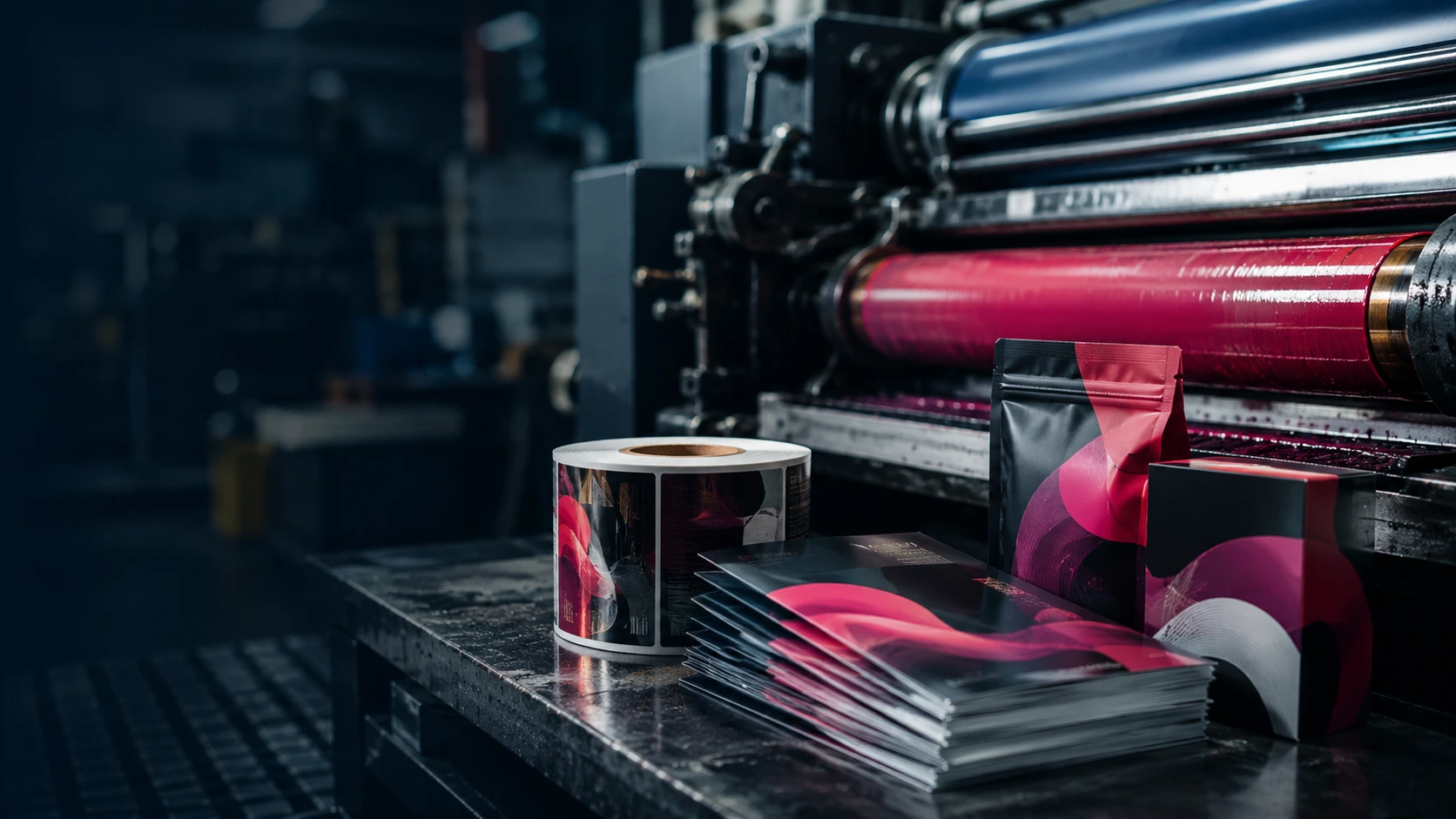
Presse d'imprimerie avec rouleau encreur magenta et produits imprimés finis au premier plan
Industries · Imprimerie

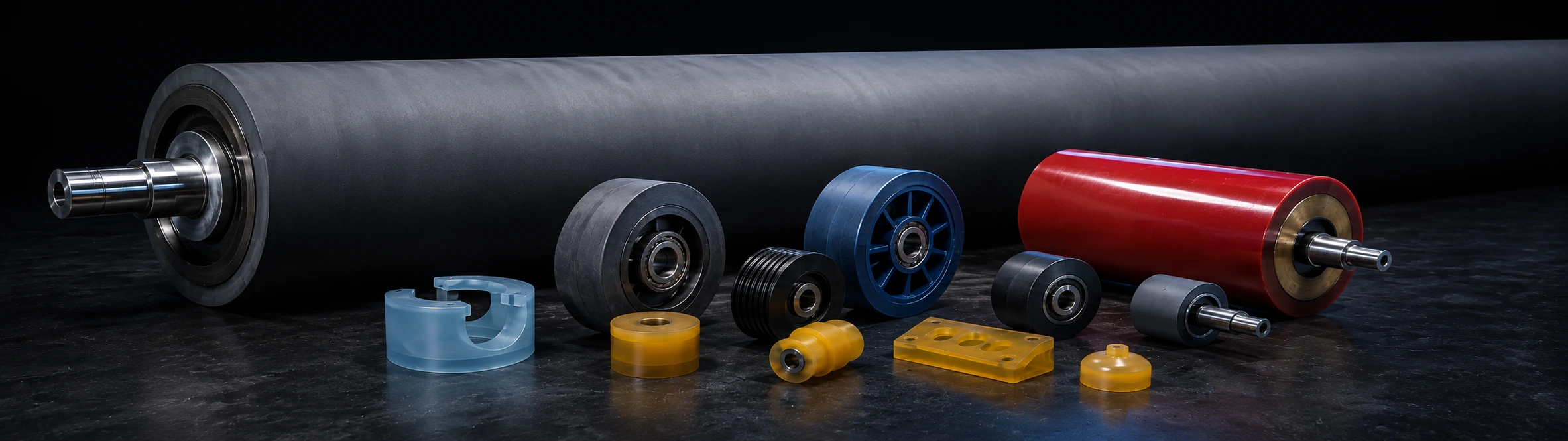
Rollers, wheels and molded parts for the printing industry

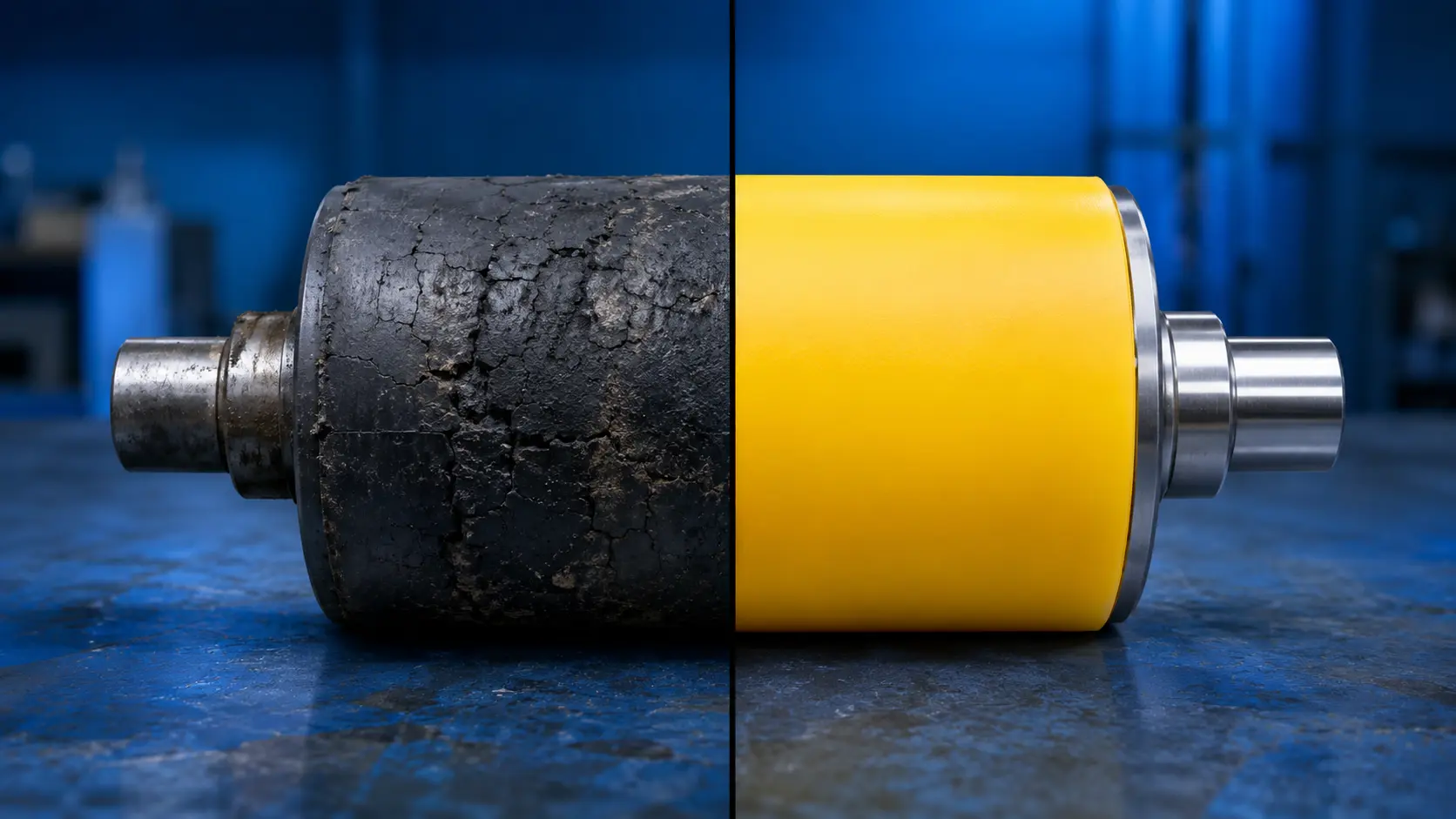
Offset, flexo, gravure, finishing, laminating: an “acceptable” roller is not enough. A surface variation, swelling caused by the cleaner, a roller that glazes over… and you get defects, endless adjustments, sometimes a press that is down.

In printing, an “acceptable” roller is not enough

A slight surface variation, swelling caused by the cleaner, a roller that glazes over, a drive wheel that slips… and it turns into visible defects, endless adjustments, and sometimes a press at a standstill.

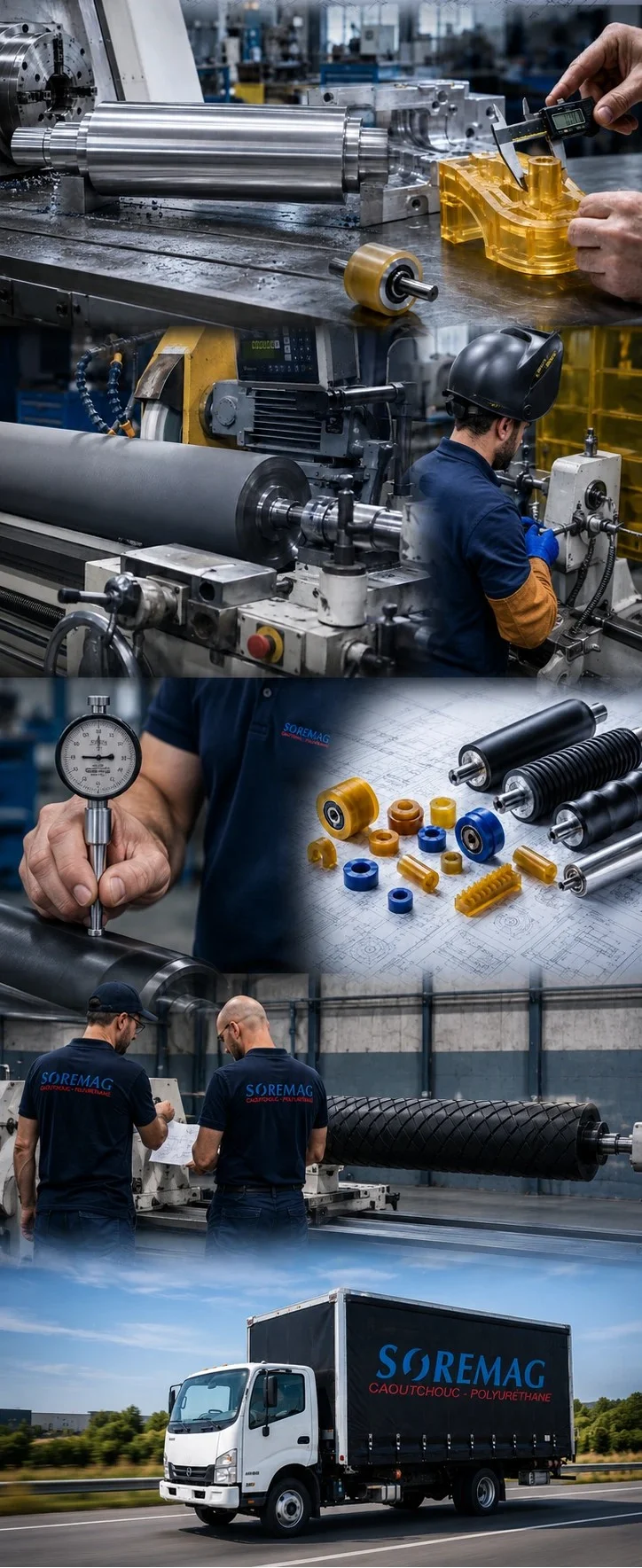
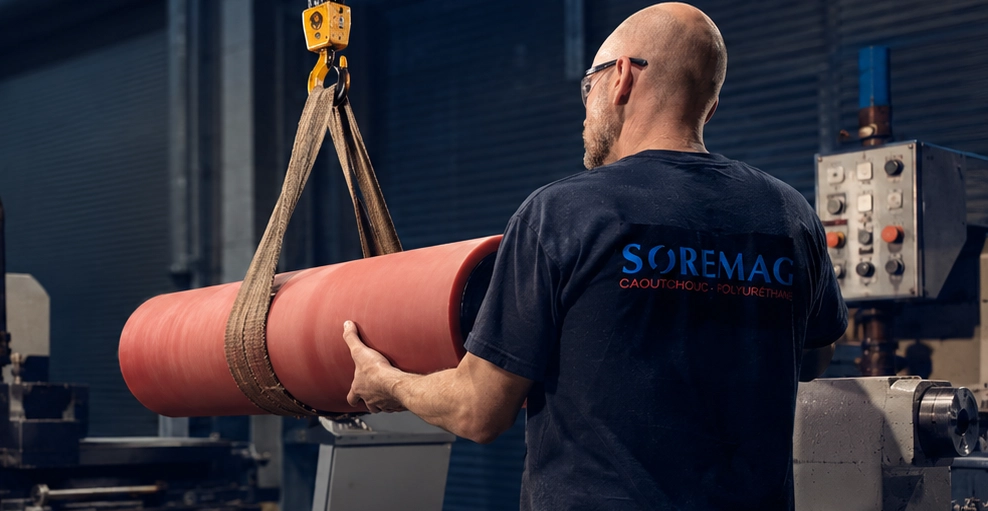
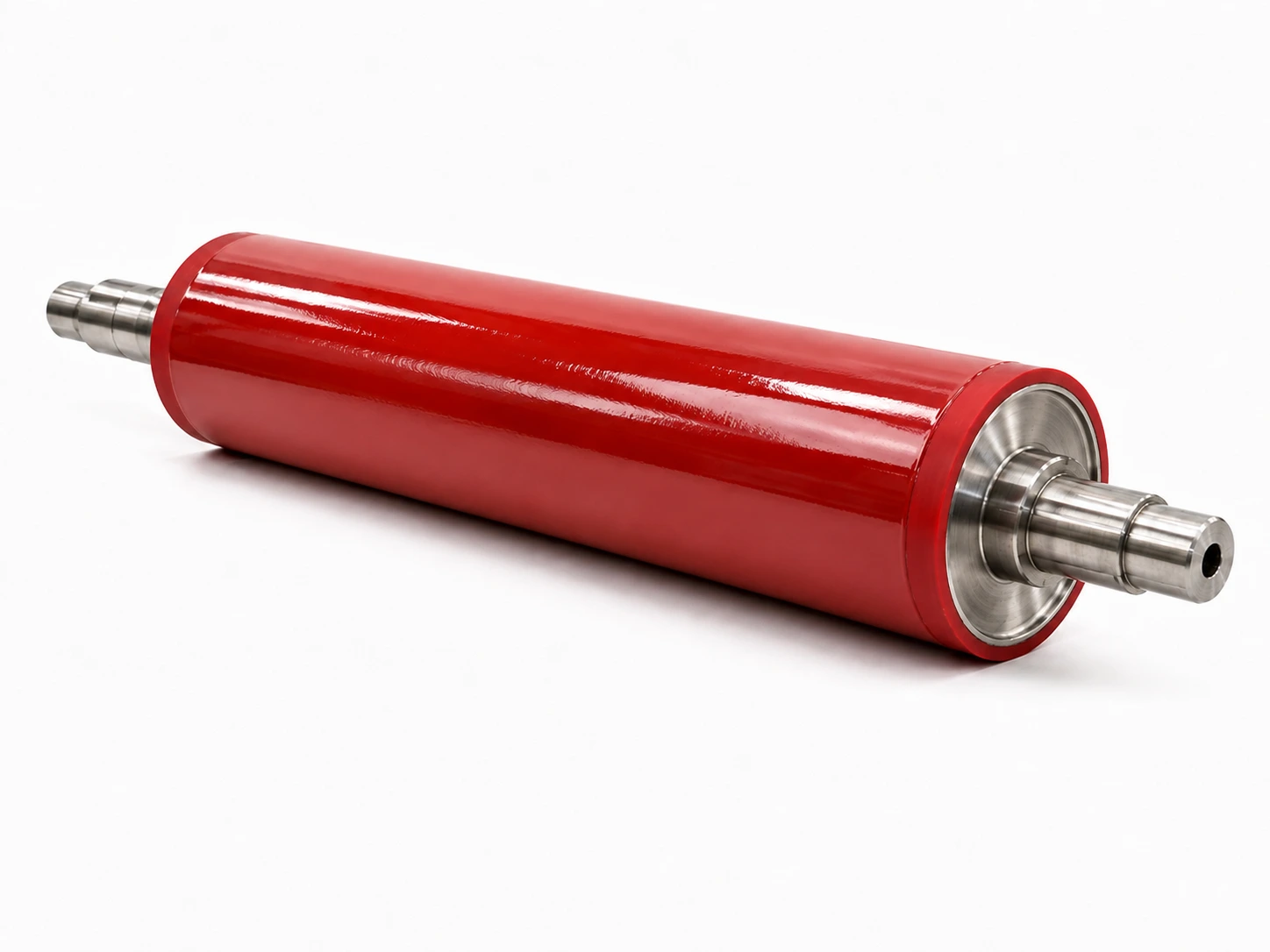
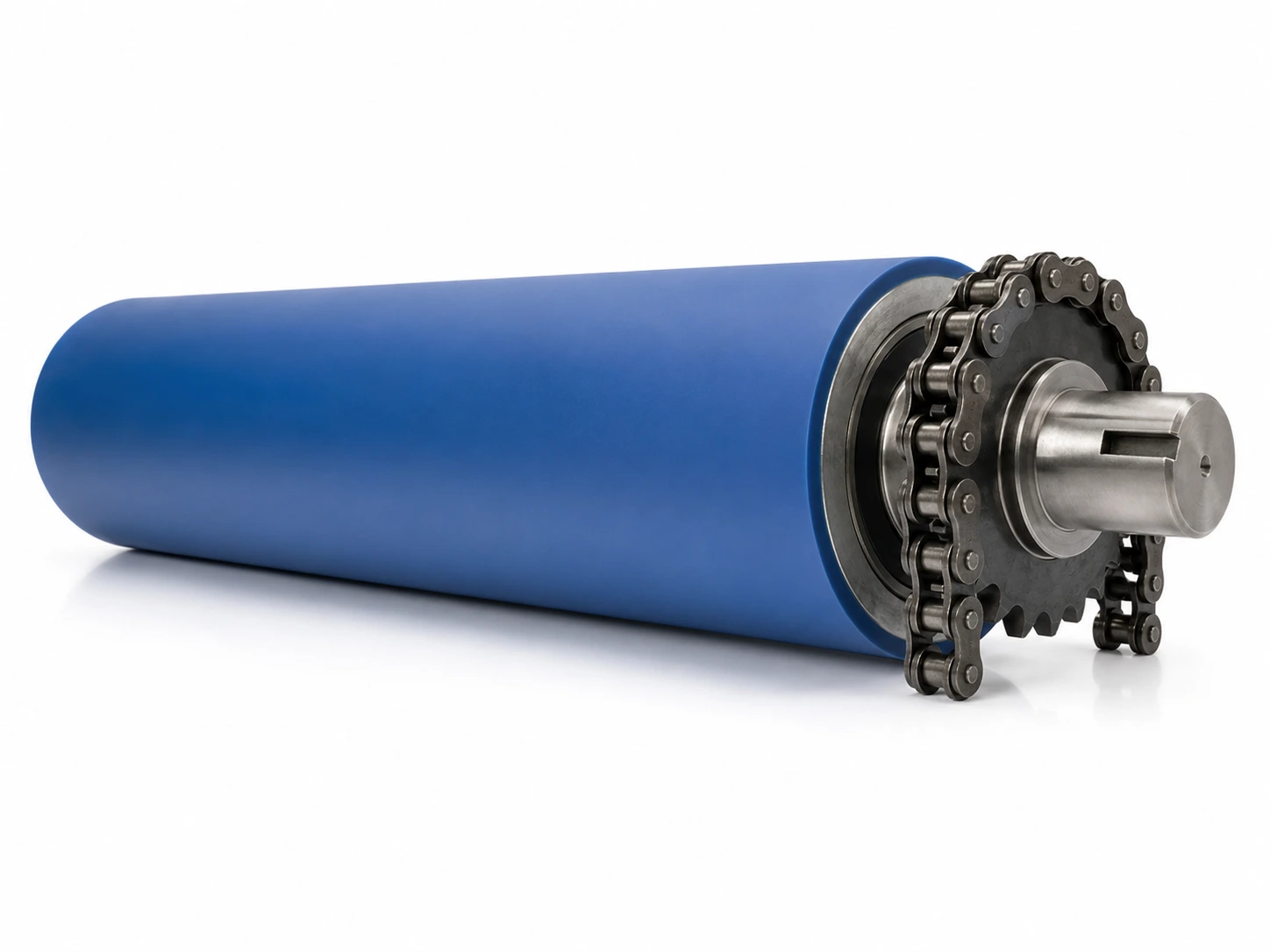
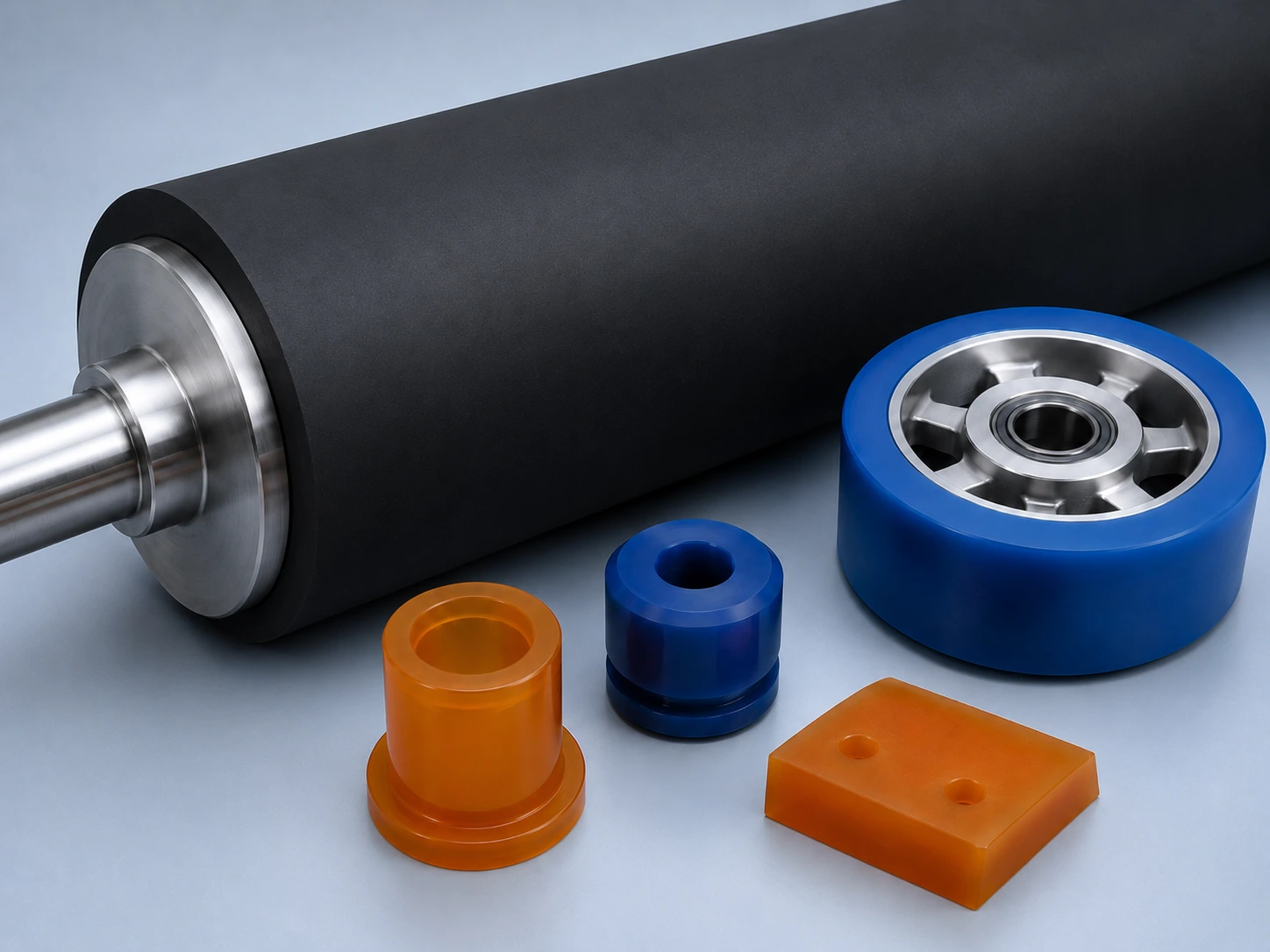
At Soremag, we build and refurbish covered rollers (rubber, polyurethane, silicone), and polyurethane wheels and cast polyurethane parts — with a simple logic: process stability + print consistency + service life.

The printing processes we serve

Offset

Sheetfed & web offset

Commercial, packaging, board, book, catalogs, newspapers.

Flexo

Flexography

Flexible packaging, labels, postprint corrugated (pressure rollers, components around the anilox roll).

Gravure

Gravure / rotogravure

High volumes: films, decor, packaging.

Sérigraphie

Industrial screen printing

Signage, technical parts, decor (polyurethane squeegees and components).

Numérique

Digital & post-processing

Finishing, varnish, film lamination/laminating, slitting/rewind.

Sur mesure

Another process?

Describe what the roller does: we’ll figure it out.

Your typical applications, our shop-floor solutions

The rollers, wheels and parts found in printing

Ink form, distribution & metering rollers (ductor)

Offset: consistent ink metering, chemical resistance and surface stability.

Dampening rollers (dampening)

Compatible with the fountain solution and the cleaners.

Impression / pressure rollers

Offset/flexo/gravure: mechanical strength + dimensional stability.

Traction, guide, pull/drive rollers

Controlled grip, anti-slip, non-marking.

Coating / varnish / applicator rollers

Controlled surface (Ra), even transfer.

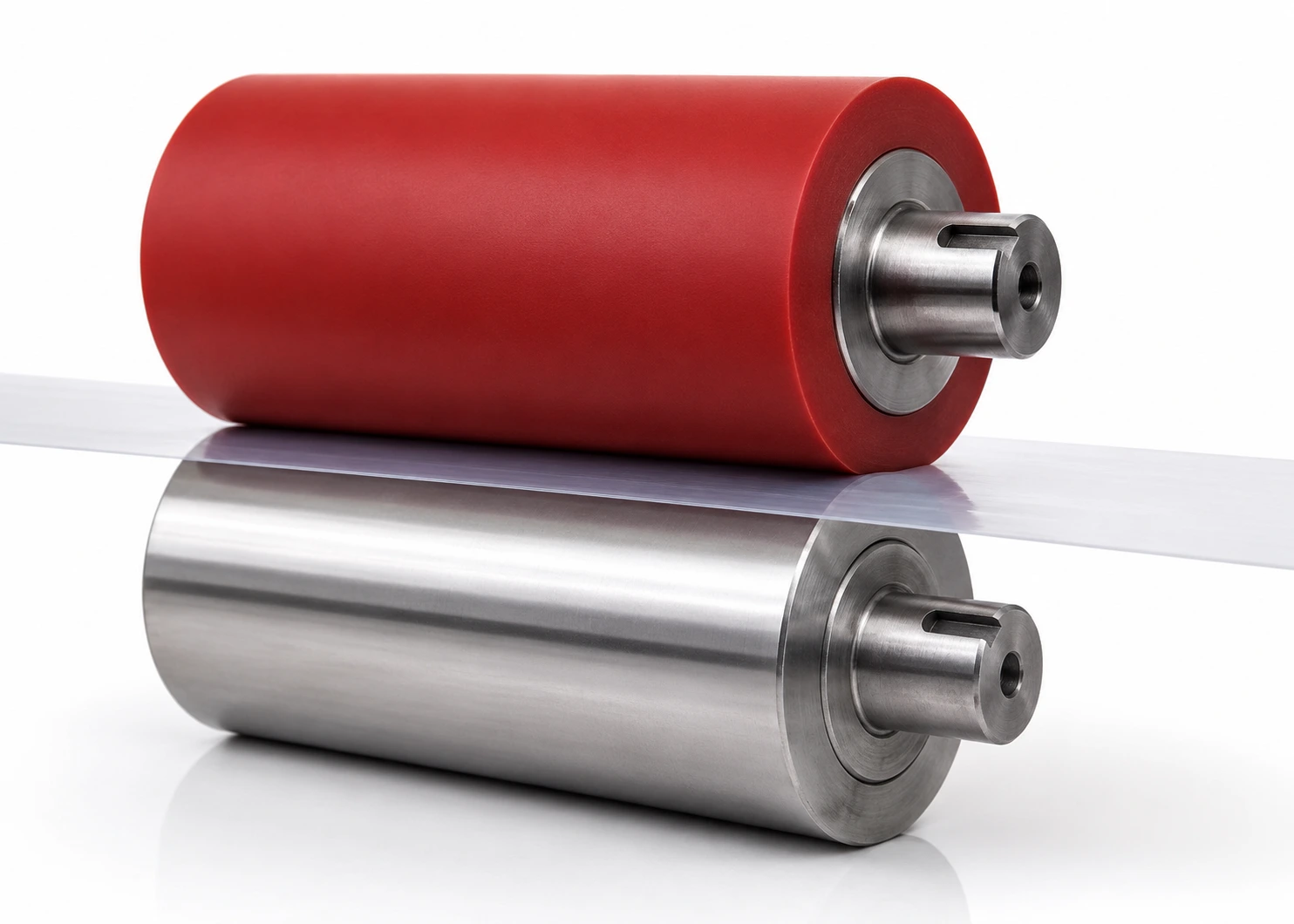
Laminating / nip rollers

Even pressure, matched geometry (crown).

Unwind / rewind rollers

Balance, concentricity, stability at high speed.

Drive & conveying wheels

Stable traction without “glazing”; mechanical strength, on a steel or aluminum core.

Cast Polyurethane Parts

Squeegees/components (screen printing), bumpers, shock absorbers, wear parts; reverse engineering OEM.

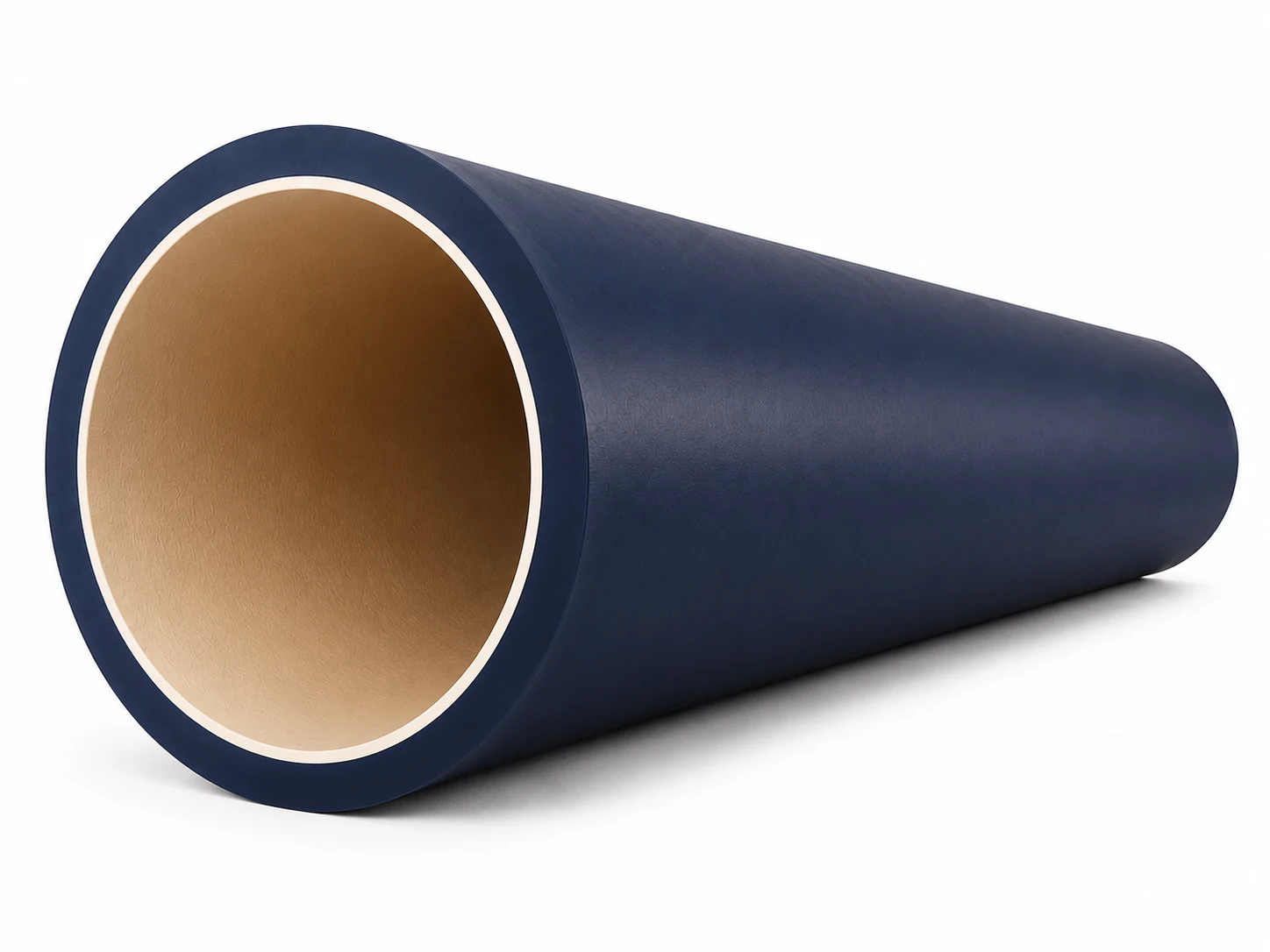
Sleeves (sleeves)

Depending on the machine layout.

Sélection des matériaux

The right material for the ink chemistry

Ink, cleaning, temperature, pressure, speed and the finish you need.

In printing,

two families do most of the work
, separated by ink chemistry: nitrile on the oil side, EPDM on the water side. Silicone joins them wherever there is tack or heat.

NitrileNBR

Inks and oily agents

Handles oils and certain specific inks very well.

Variable against strong solvents and ozone.

EPDM

Aqueous service

Waterborne coatings, moisture, certain chemistries.

Sensitive to aggressive solvents.

SiliconeVMQ

Tack and heat

Release and heat resistance: about 200 °C in a standard grade, and up to

260 °C (500 °F)
with a high-temperature formulation.

Gives way faster to cuts and abrasion.

Nitrile PVCNBR/PVC

Oils and aging

The oil resistance of nitrile, plus better ozone and aging resistance.

Press rollers and semi-exposed positions.

NeopreneCR

General-purpose drive

Moderate oil, weathering, flame resistance.

The choice for positions that ask for a bit of everything without excelling anywhere.

SBR

Simple conveying and traction

Economical, good abrasion resistance.

The default outside any chemical constraint.

Silicone migration — the craters called fisheyes

A press next to a finishing or coating line runs a particular risk: some silicones migrate from one position to the next and leave surface defects behind — the craters known as

fisheyes
.

We then steer toward a

low-migration silicone
, or toward another material — a specialty urethane, a
fluoroelastomer (FKM / Viton®)
— depending on the ink, the coating and the temperature.

Problem observed → possible fix

To be validated on your application.

Problème observéPiste Soremag fréquente
Gonflement / surface qui changeMatériau mieux adapté à la chimie + validation du nettoyage.
Stries / banding / transfert instableAjustement du Ra (rugosité) + dureté + géométrie.
Glace / glissement (traction)Ajustement surface + formulation + dureté.
MarquageComposé non-marquant + dureté/surface + pression machine.
Usure prématuréePolyuréthane spécialisé ou caoutchouc dédié selon la chimie.
Vibrations / battementRectification, concentricité, équilibrage, état des portées.
Usure aux extrémitésGéométrie, pression, largeur utile, profil (bombé si requis).
Presse arrêtée ? Service local rapide

When things stop, the goal is simple: get the line stable again, fast. We regularly step in for quick needs in

Greater Montreal, Laval, the South Shore, north of Montreal, the Laurentians and Lanaudière
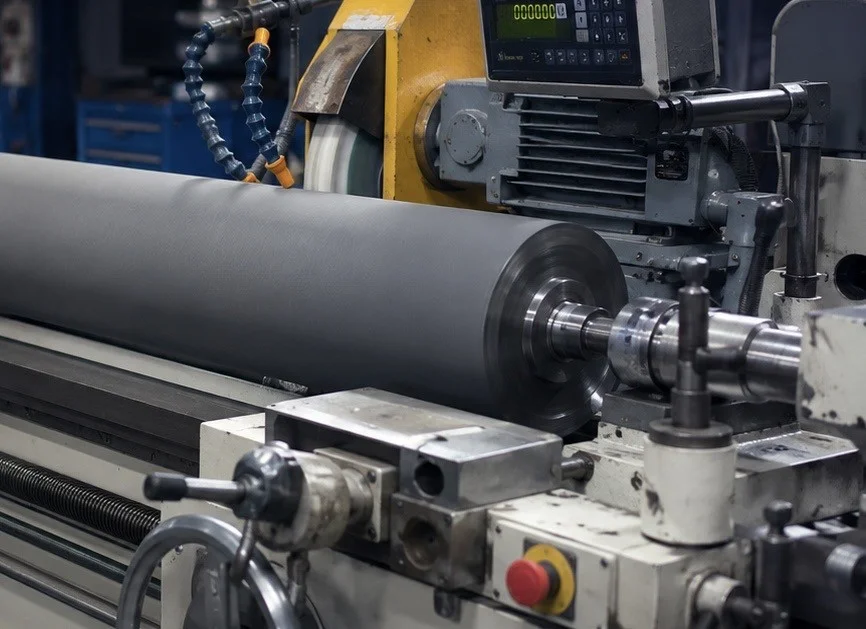
— resurfacing/precision grinding, refurbishment or bearing journal repair. See also emergency & logistics.

What we measure and validate:
hardness (Shore A / D), surface finish (Ra), runout (TIR), cylindricity, profile / crown, dynamic balancing, condition of the journals, and chemical compatibility (swelling, hardness and surface testing on a sample).

Two services that often “save” a line — and our approach

The two most frequent jobs in printing: repair of journals, cores and shafts, and precision grinding / resurfacing / grooving / polishing (rubber & polyurethane).

We almost always start with a call, an email or a Zoom: understand the application before going on site. Depending on the case: photos/videos, drawings, line parameters, information on the ink, the varnish, the fountain solution — and above all the cleaning (products, frequency, temperature, contact time). If the stakes are critical, we push the analysis further and propose a solid combination (durometer + finish/Ra + geometry) rather than a “random material”.

Equipment and brands we see often

Even if your machines carry another name, describe the function: we will find our way around it.

HeidelbergKomoriKoenig & BauerMAN RolandGossBobstMark AndyGallusNilpeterMPSWindmöller & HölscherComexiUtecoPCMCRotoflex

Brands listed for reference only; Soremag is not affiliated with any of these manufacturers.

Frequently asked questions — printing

Is recovering better than buying OEM? +

Often yes: generally faster, more economical, and above all it lets us

improve
the recipe or the geometry for your actual conditions (chemistry, cleaning, speed, pressure).

Can you improve an original (OEM) part? +

Yes. We go beyond copy-paste: better chemical resistance, better wear resistance, less marking or dimensional stability — through the geometry, the formulation, often both.

What is precision grinding / resurfacing for? +

To reset the surface: concentricity, dimension, finish (roughness) and sometimes a precise profile. It is often the difference between “it works” and “it is stable”. See grinding & grooving.

My roller swells or softens: is it the ink? +

Sometimes, but very often it is the cleaning (solvent, detergent, contact time, temperature). We then choose a better matched material and validate the compatibility.

Do you repair bearing journals? +

Yes, and it is frequent in printing: a scored or worn journal creates vibration, accelerated wear and instability. See bearing journal repair.

Can you help if we do not know the current material? +

Yes. With photos, a bit of history (chemistry/cleaning) and ideally a part or a sample, we frame a realistic option without speculating.

Do you make drive wheels that do not glaze and do not mark? +

Yes. The result comes from the right trade-off of durometer + formulation + surface + machine pressure: stable traction with no defects on the substrate.

Do you also work with flexography (anilox)? +

Yes, for everything around consistency: pressure, traction, guide, coating and laminating rollers, wheels, molded parts. Re-engraving an anilox roll is a specialized process; we can help you diagnose the whole chain and point you in the right direction.

What are the signs that a roller is “out of tolerance”? +

Streaks, unstable settings, vibration, wear at the ends, marking, or a surface that changes too fast. We check concentricity, journals, geometry and finish.

Do you also make cast polyurethane parts for printing? +

Yes: bumpers, pads, shock absorbers, wear parts, and certain consumables/components tied to processes such as screen printing.

A line that lacks consistency or a roller to refurbish?

Talk to a Soremag expert: we help you pin down the most solid option, quickly.

➔ Talk to a technical expert