Products ▾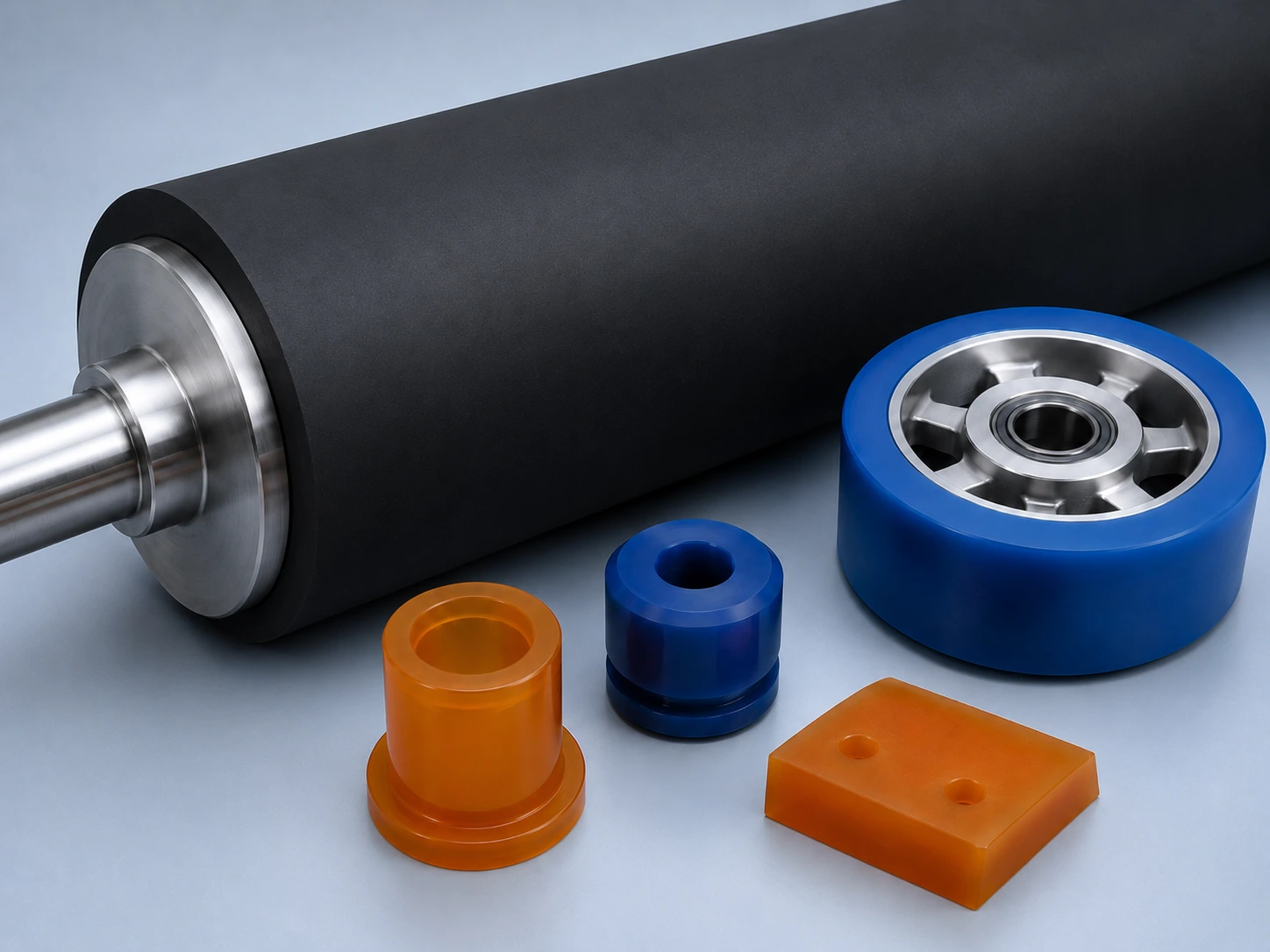
Covering
Roller CoveringRubber RollersPolyurethane RollersSilicone RollersWheel CoveringMaterial Handling WheelsGuide & Steering RollersConveyor WheelsRail WheelsSpecialty Rollers
Rollers by ApplicationMolded Parts
Cast Polyurethane PartsWear Plates & LinersMetal OvermoldingBushings & SleevesScrapers, Blades & WipersBumpers, Stops & DampersGears, Sprockets & Star WheelsAll Molded PartsCan't find your part?
Send a photo, a drawing or the worn part — we identify the material and the right fix.
Contact us →Services ▾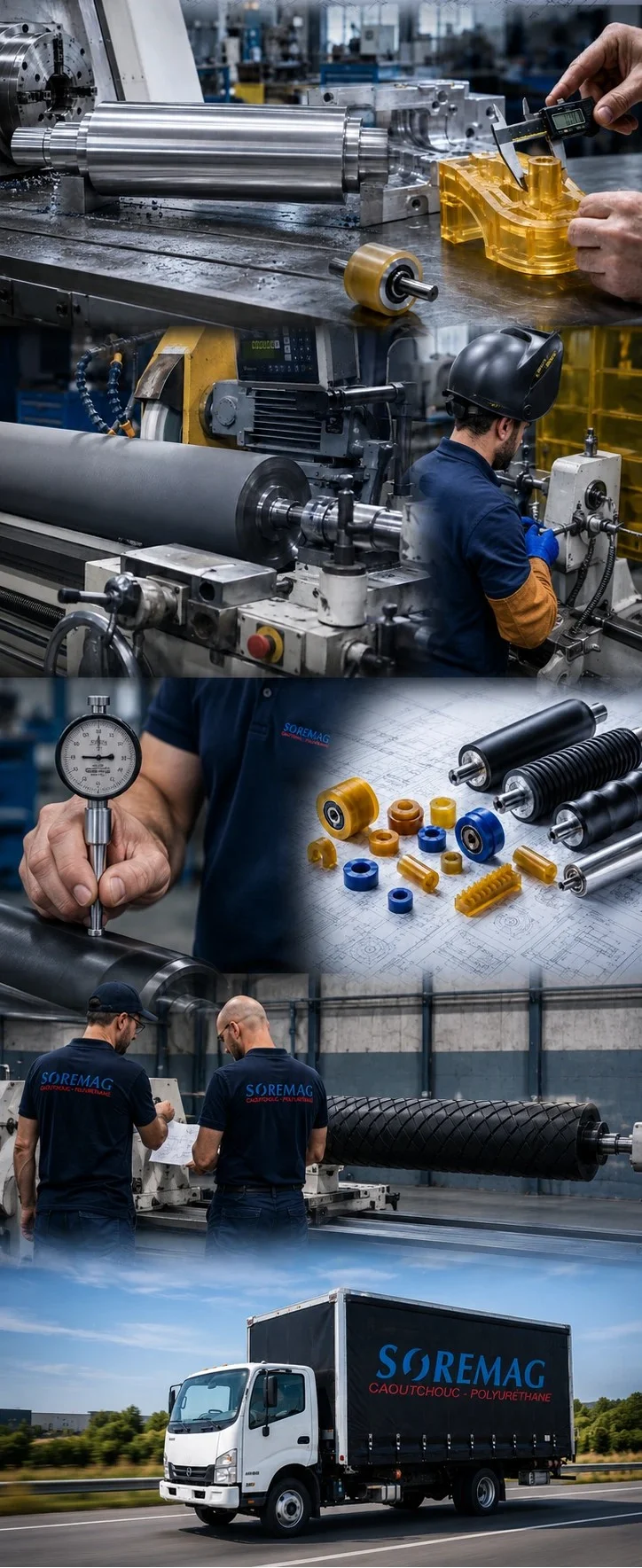
Roller Services
Precision Roller GrindingResurfacingCrowningTaperingStraight ProfileAll ProfilesRoller GroovingDiamondAxialHerringboneSpiral (Helical)All Groove PatternsMetal & Mechanical
Metal Fabrication & RepairComplete Core FabricationSteel Roller RepairDynamic BalancingIn-House Mold MakingOn Site & Emergency
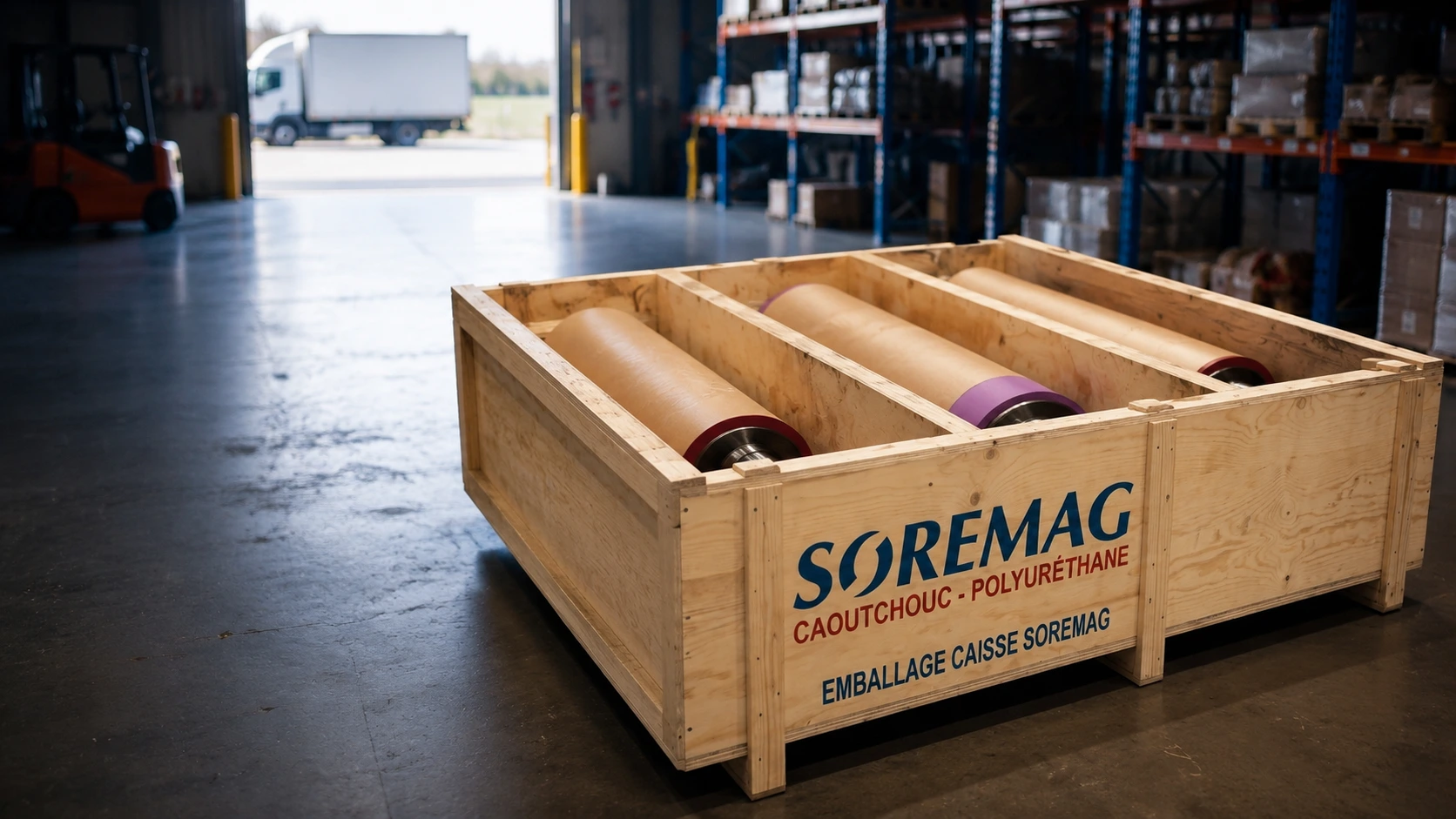
On-Site Technical ServiceA technical rep at your plantEmergency & Logistics24/7 EmergencyPickup / DeliveryShipping CratesA breakdown stopping your line?
24/7 emergency service — call 450 664-4000 and your part goes to the front of the line.
24/7 EmergencyIndustries ▾
Metals & Machinery
Steel, Aluminum & Sheet MetalConveyors, Material Handling & MachineryIndustrial Manufacturing & Specialty EquipmentProcesses & Specialties
Wood, Finishing & CoatingFood, Pharma & CosmeticsAutres industriesMines, énergie, marine, agriculture…Seen in Action
Roues Cérathane sur railsPâtes & papiers, 1995 — 8 ans de serviceEssorage de feuille d’acierUn nitrile reformulé qui a changé la donneTeinture textileLe crown parabolique qui a réglé la nuanceResources ▾
Tools
Material Selection GuideRubber, polyurethane or siliconeRoller & Wheel DiagnosticsFind the real cause of the wearMaintenance & Storage GuideMake your rollers last longerDocuments
Document CenterChart + 20 rubber data sheetsPolyurethane Chart8 technical guidesRoller Identification FormBlog & News
Blog and newsThe Minister of Industry visits SoremagPolyurethane in miningRubber or polyurethane?Understanding Shore hardnessProof
Case StudiesThe birth of Cerathane (1995)Steel Sheet WringingTextile dyeing — the right crownQuality ControlThe QC7 system, from raw material to finished partNeed a data sheet?
40 compound data sheets and 2 comparison charts, downloadable as PDF.
See the data sheets →About ▾
The Company
Who We AreAn integrated shop founded in 1990, in LavalVision & ValuesFix the real problem, for goodThe TeamManagement, R&D, sales and engineeringCareersMachinist, production, millwright…Our Shop
Our Capabilities10-ton lifting, machining up to Ø 76 in.Quality ControlControlled materials, refrigerated rubber stockThe Shop in PicturesWork, repairs and before/afterOur Story
Our HistoryFrom 6,000 sq. ft. in 1993 to 22,000 sq. ft. in 2026NewsThe Minister of Industry visits SoremagContact Us
Contact & QuoteFast reply — photo, drawing or worn partFAQQuotes, lead times, billing, warranty450 664-400024/7 Emergency: 1 800 361-558835+ years of expertise, under one roof
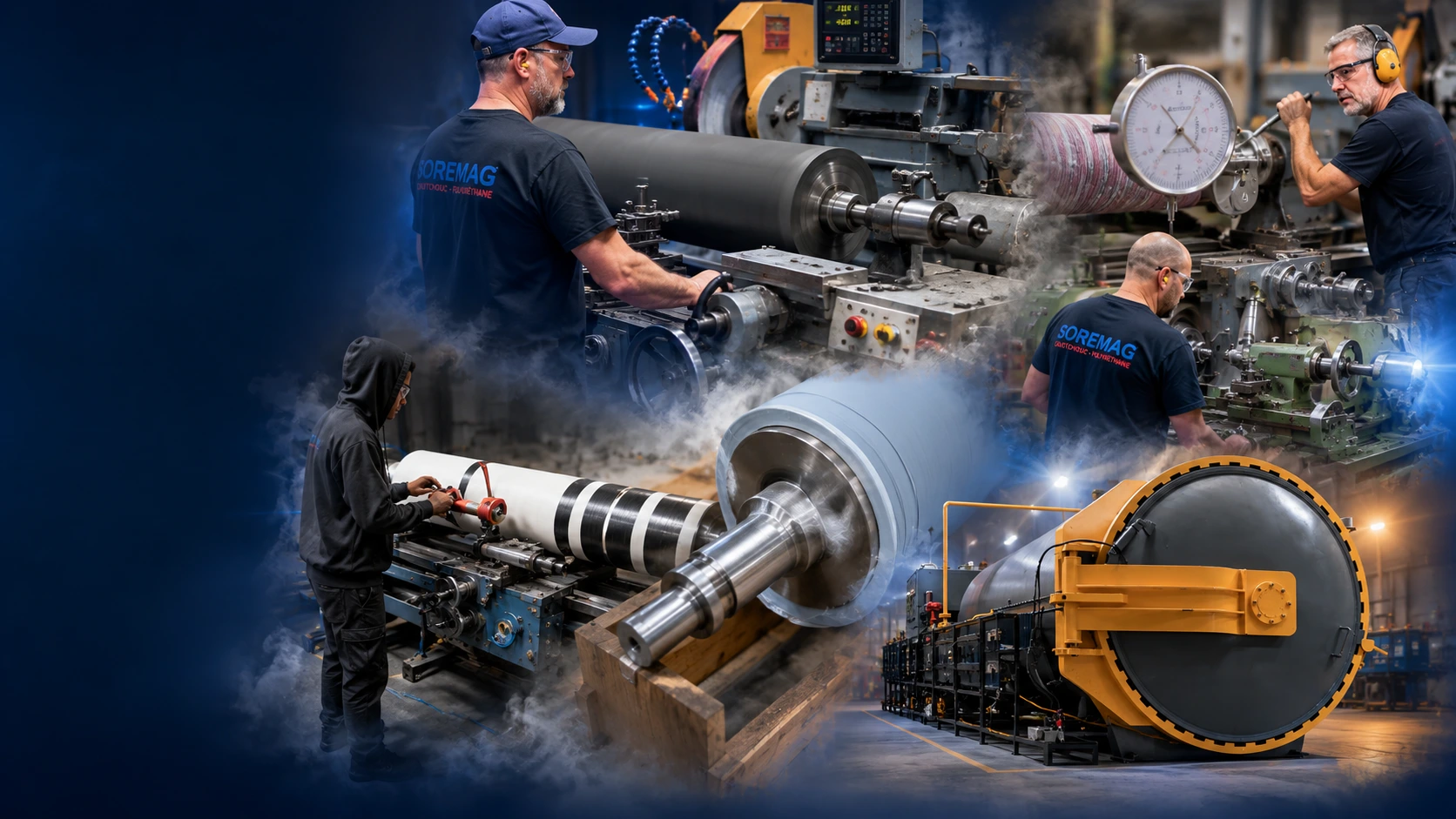
Covering, molding, machining, grinding and quality control — all in-house.
Request a Quote