Covering & manufacturing · rubber and polyurethane · Quebec450 664-4000·1 800 361-5588·EN|FR
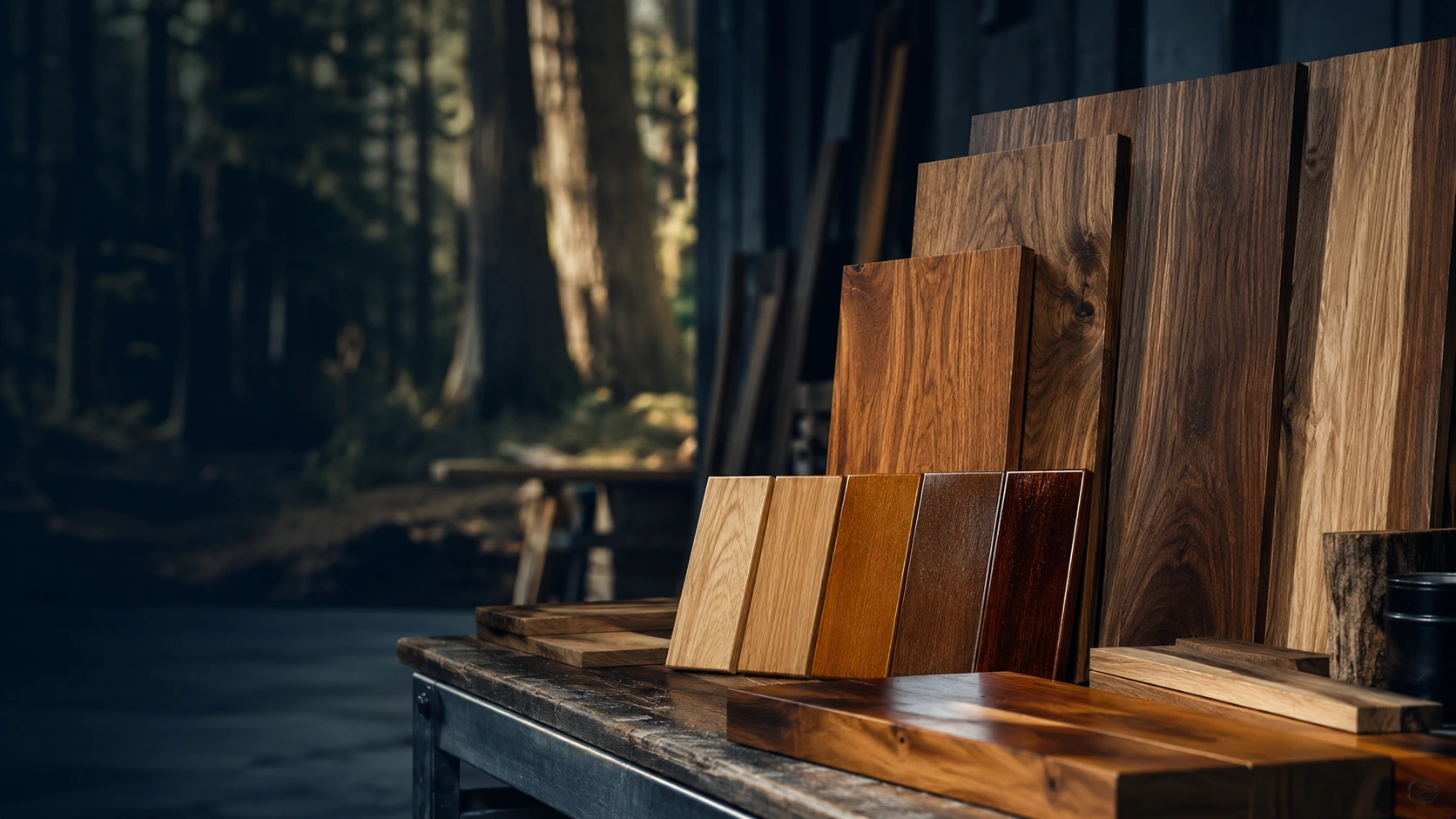
Panneaux et planches de bois franc vernis, teints et sablés, avec échantillons de finis au premier plan
Industries · Bois & finition

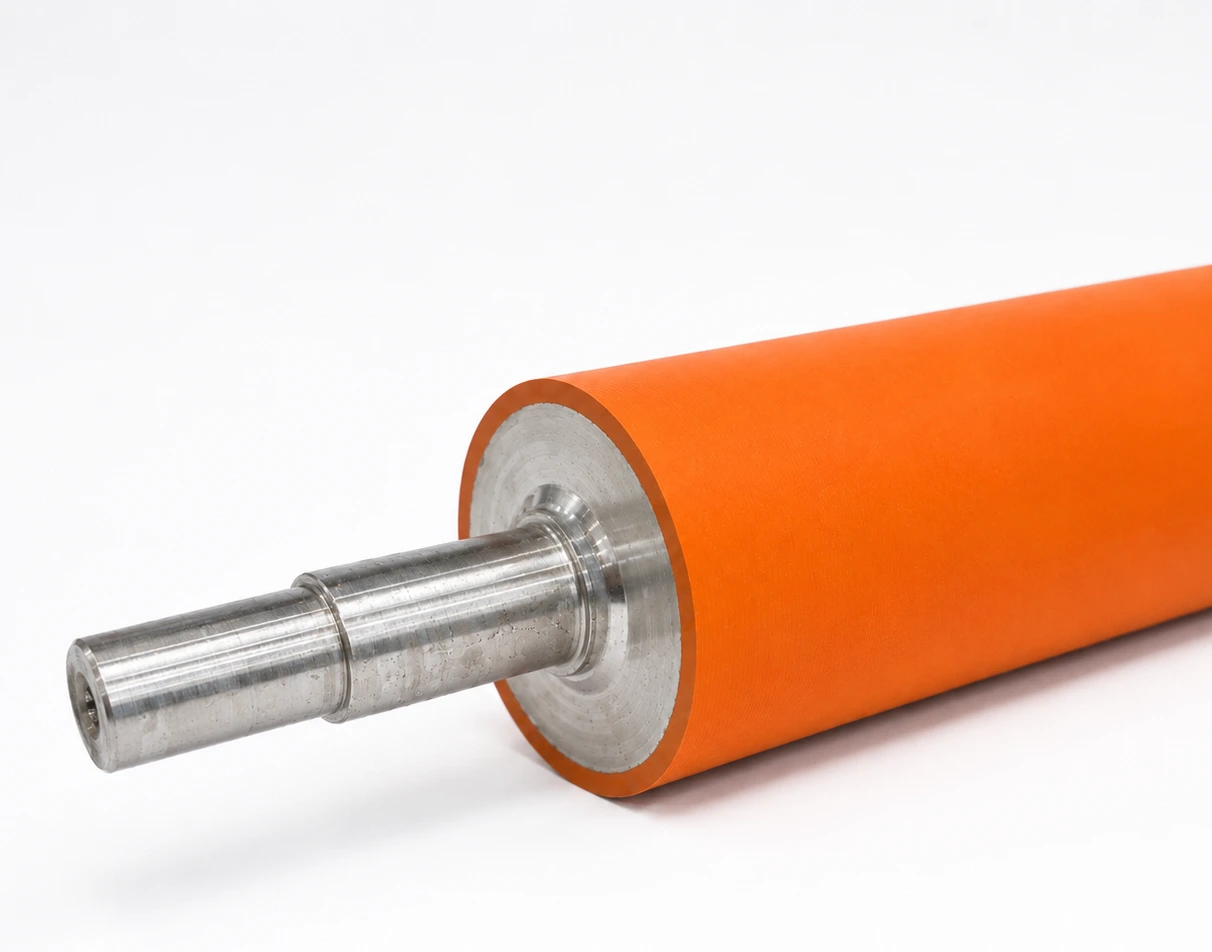
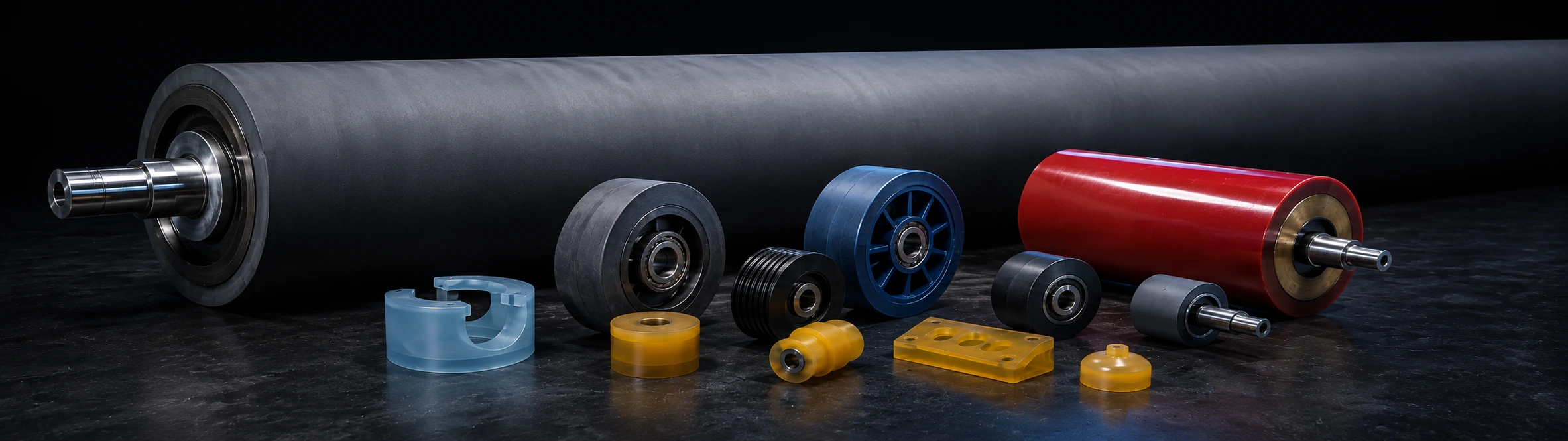
Rollers, wheels and molded parts for the wood industry

Finishing, staining, lacquering, glue application, sanding, pressing, feeding and conveying: in wood, a roller that is “okay” isn't enough. We build and refurbish the parts designed for your real operating constraints.

In wood, an “okay” roller isn't enough

The slightest streak in the finish, unstable adhesive transfer, a roller that fouls too fast or a drive wheel that marks the surface… and the line slows down, rejects climb and production loses its consistency.

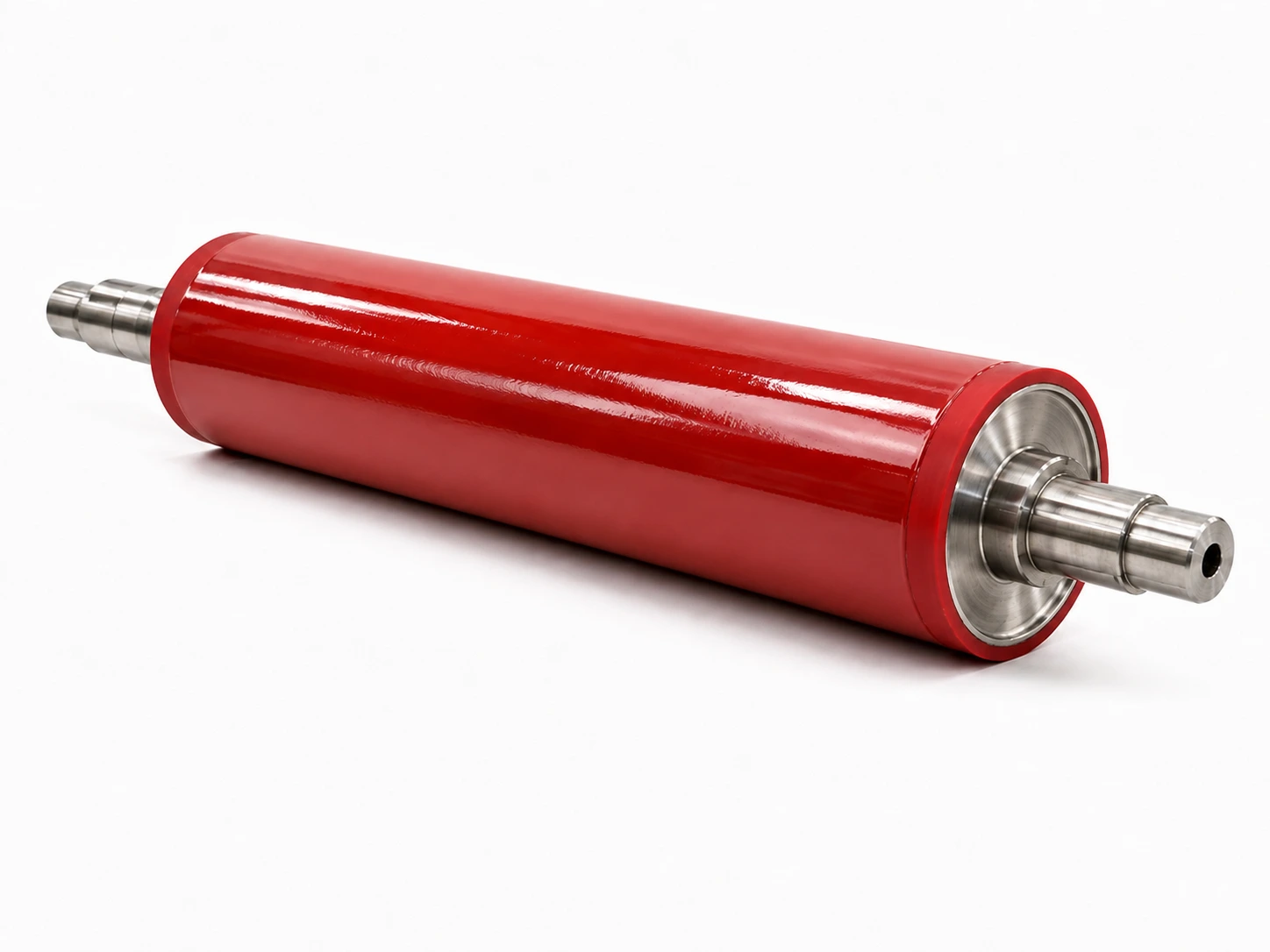
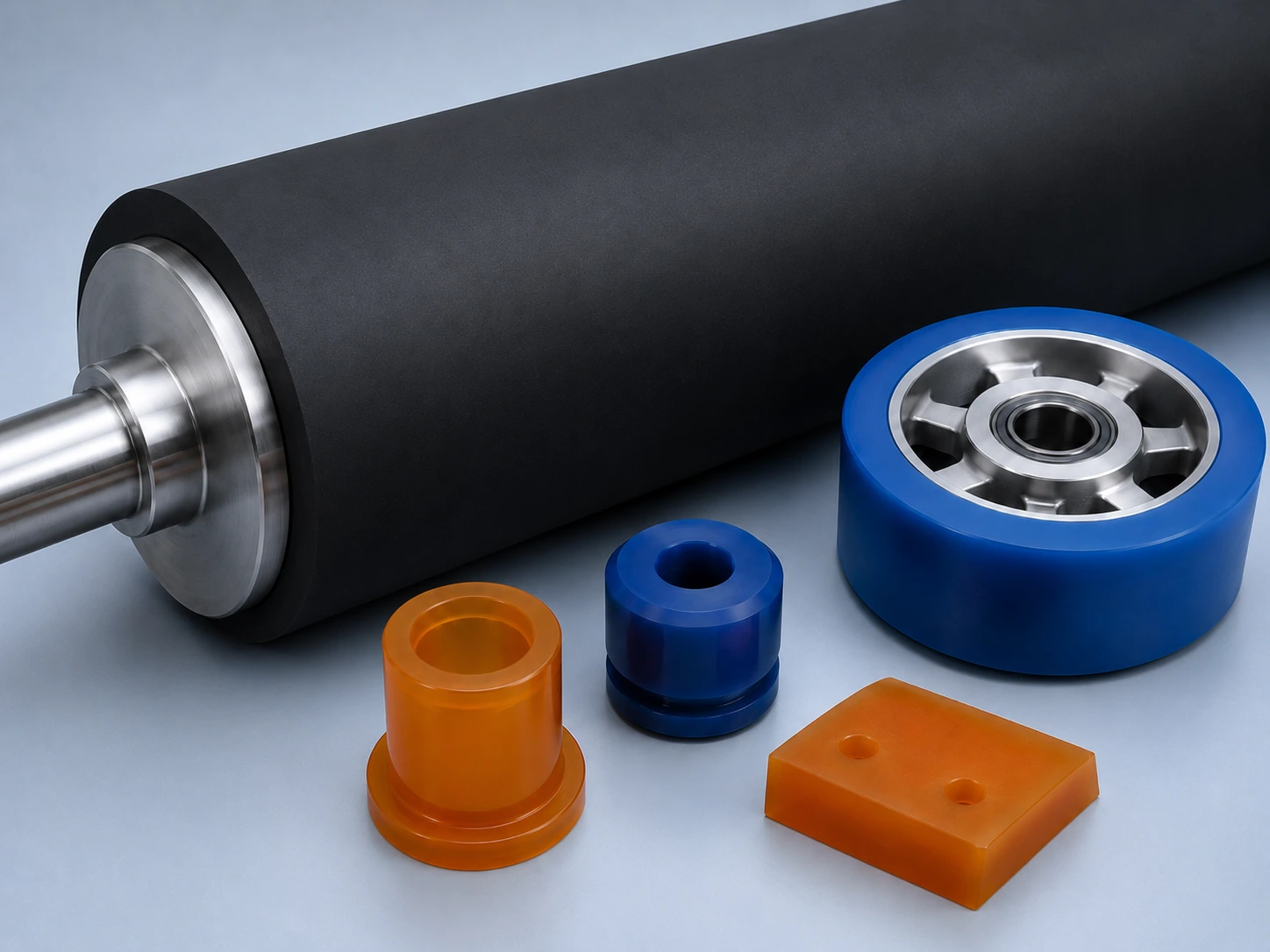
At Soremag, we build and refurbish covered rollers (rubber, polyurethane, silicone), and polyurethane wheels and cast polyurethane parts designed for your real operating constraints: finishing products, cleaning cycles, dust, heat, pressure, line speed, vibration and batch-to-batch variation.

The wood sectors we serve

Common examples — if your process isn't listed, describe its function to us.

Sciage

Sawmills & primary processing

Debarking, sawing, handling, conveying, planing.

Planchers

Hardwood & engineered flooring

Calibrating, profiling, staining, lacquering, UV.

Meubles

Furniture, cabinetmaking & components

Sanding, machining, veneering, finishing lines.

Panneaux

Plywood, OSB, MDF, melamine

Pressing, laminating, glue application, handling.

Menuiserie

Doors, windows, moldings

Profiling, profile wrapping, finishing, handling.

Sur mesure

Another wood process?

Describe what the part does: we'll figure it out.

Your typical applications, our shop-floor solutions

Where our rollers, wheels and parts most often make a difference.

The rollers, wheels and parts you find in wood plants

Each function has its own preferred compound, hardness and finish.

Applicator rollers (coating rolls)

Stain, lacquer, UV, water-based: even transfer and a controlled finish.

Metering / doctor rollers (metering / doctor)

Precise metering of the applied film thickness; fine finish and tight TIR.

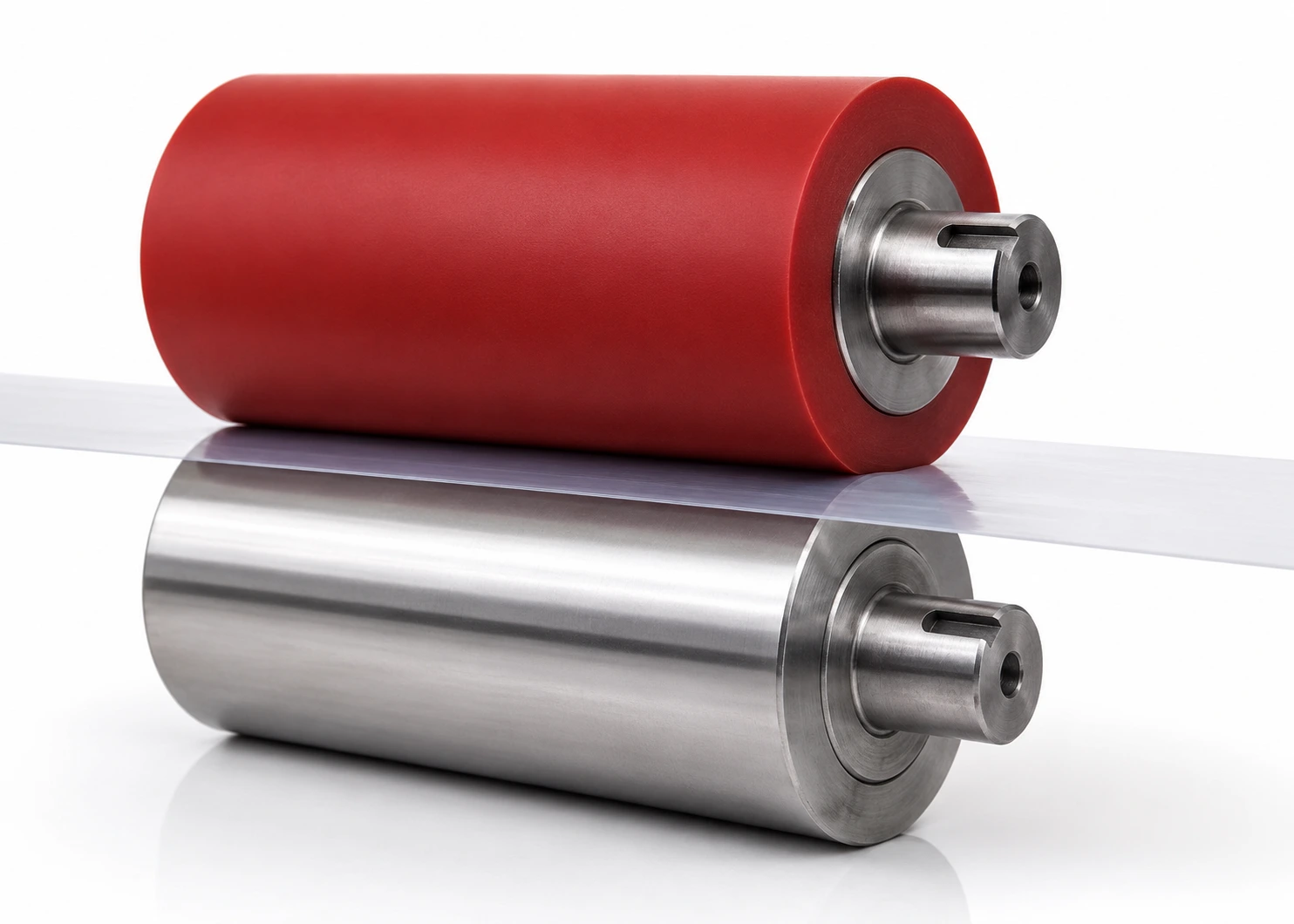
Nip rollers (nip rolls)

Pressing, laminating, panels: uniform pressure, often crowned.

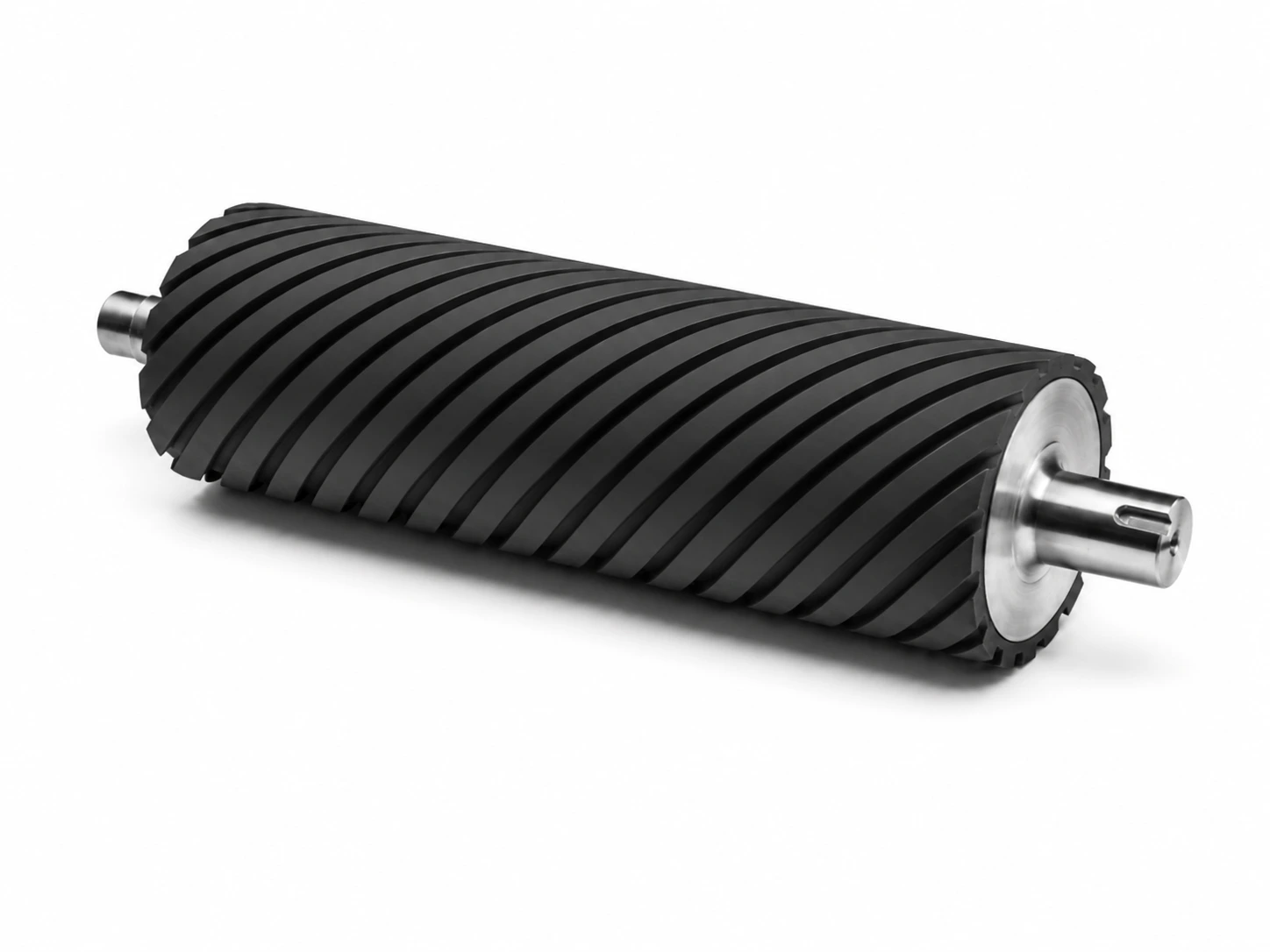
Sanding drums (contact drums)

Wide belt sanders: stable hardness, balancing, dust/heat evacuation, antistatic / conductive option. See our sander contact rollers.

Infeed / outfeed & hold-down rollers (infeed / outfeed, hold-down)

Holding down and feeding the workpiece on sanders, planers and moulders.

Glue spreader rollers

Grooving matched to the glue flow rate (PVA, PUR, hot melt).

Pull & guide rollers

Feeding and stability of the workpiece; grip without marking.

Drive wheels (feed wheels)

Stable traction, non-marking matched to the wood species and the finish.

Conveying & guide wheels

Resistance to abrasion and resins, mechanical strength.

Custom molded polyurethane parts

Drive pads, pressure rollers, bumpers, shock absorbers, wear parts, vacuum cups — reverse engineering when the OEM part is unavailable.

Spreader / bowed rollers (bow / banana)

Specialized cases: guiding, spreading and wrinkle removal on sheets, veneers or webs — depending on the machine layout.

Sélection des matériaux

The right material for whatever touches the roller

Fluid, cleaning, temperature, pressure and the finish you need.

In wood,

everything starts with the product that touches the roller
: a UV coating and a hot melt adhesive don't call for the same material, and green lumber doesn't call for what dry lumber does.

EPDM

UV and waterborne finishing

Handles aqueous media, resists aging (ozone, UV) and blocks the swelling caused by UV coatings and ketones — acetone, MEK.

Will not take petroleum solvents: Varsol, naphtha.

SiliconeVMQ

Hot gluing — PUR and hot melt

Release and heat resistance: the standard grade works to about 200 °C, our high-temperature formulations reach

260 °C (500 °F)
.

Takes cuts and abrasion poorly.

Polyester urethane

Dry lumber — planing, moulders

Extreme abrasion and cut resistance.

Avoid in wet service — hydrolysis.

Polyether urethane

Sawmills, green lumber, washdown

The same abrasion resistance, but durable in moisture.

Takes over from the ester as soon as the lumber is green or washed.

NitrileNBR

Oily zones and resins

Oils, greases and wood resins.

Less comfortable with ozone and UV.

Nitrile PVCNBR/PVC

Semi-outdoor positions

The oil resistance of nitrile, plus ozone, weathering and UV.

Press rollers and exposed covers.

NeopreneCR

The all-rounder

Moderate oil, weathering, flame resistance.

General-purpose rollers and protective covers.

Natural rubberNR

Grip and resilience

High rebound, low heat build-up — feed rolls and high-grip drive rollers.

Keep it away from oils and UV.

Silicone migration — the craters called fisheyes

In an integrated plant, some silicones can migrate to a neighboring coating line and leave surface defects there: the craters known as

fisheyes
.

Depending on the adhesive and the temperature, we then propose a

low-migration silicone
or a replacement — a specialty urethane or a
fluoroelastomer (FKM / Viton®)
.

Problem observed → possible fix

To be validated on your application — the right answer is often a combination, not just “another material”.

Problème observé en usinePiste de solution fréquente (Soremag)
Encrassement rapide / la colle « colle »Silicone anti-adhérence ou formulation dédiée + ajustement de la surface.
Stries en finition / transfert instableAjustement du Ra (rugosité) + dureté + formulation + géométrie.
Marquage sur le boisComposé non-marquant + ajustement de la dureté et de la surface.
Usure prématurée (abrasion, coupures)Polyuréthane spécialisé ou caoutchouc haute résistance selon la chimie.
Gonflement / attaque par un produitMatériau ciblé pour la résistance chimique + validation du nettoyage.
Glissement / manque de tractionAjustement de la surface + formulation + dureté.
Vibrations / défaut dimensionnelRectification, concentricité, portées, équilibrage dynamique.
ADN Soremag

The solution isn't just “another material”. Very often, it's the right combination:

hardness + finish (Ra) + geometry + (sometimes) dual hardness
, validated with your actual parameters.

What we measure and validate:
hardness (Shore A / D), surface finish (Ra), runout (TIR), cylindricity, profile / crown, dynamic balancing, condition of the journals, and chemical compatibility (swelling, hardness and surface testing on a sample).

Common symptoms in the plant (and what we check first)

Click a category to see the causes we look at.

Surface defects & finish quality +

Streaks / lines:
Ra, geometry, pressure, viscosity, speed.
Orange peel:
surface + chemistry + cleaning.
Marking on wood:
hardness too high, surface, contamination.
Uneven transfer:
geometry, alignment, viscosity, localized wear.

Traction, slipping, stability +

Slipping:
surface, formulation, contamination, pressure.
Traction too aggressive:
marking → adjust hardness/surface/formulation.
Drift / unstable guiding:
geometry, condition of the journals, alignment.

Wear, fouling, degradation +

Wear at the ends:
working width, setup, geometry, crown/profile as needed.
Fouling:
material + surface + chemical/cleaning compatibility.
Cracking / debonding:
preparation, bonding agent, cycles, chemical attack, overheating.
Cuts / gouges:
formulation + hardness + protection + process adjustment.

Vibration, dimensions, repeatability +

Vibration / chatter:
precision grinding, concentricity, journals, balancing.
Thickness that varies:
metering/doctor roll, hardness, surface, alignment.
Unstable repeatability:
cleaning cycles, temperature, product variation.

Want our full approach to a wear, marking, transfer or dimensional problem? → Roller & Wheel Diagnostics

Our approach (without wasting your time)

We usually start with a call, an email or a Zoom: we want to understand the application before driving out. Then, depending on the case, we may ask for photos/video, a data sheet, a sample part, and sometimes a sample of the fluid (stain, lacquer, cleaner, glue) to get the analysis started — including technical discussions with your suppliers.

And when it's worth it, we push further: on-site investigation, a review of the cleaning and a discussion with the finishing product makers — to avoid “random” fixes.

Equipment and brands we see often

Even if your machines carry another name, describe the function: we will find our way around it.

ComactBID GroupUSNRÉquipements GilbertDoucetPauziéTimesaversWeinigSCMHomagBiesseCostaCeflaBarberánMakorSuperficiGiardinaVenjakobBlack BrosBürkleHymmenDieffenbacherGreConLeitzSteinemannVietKündigLedinek

Brands listed for reference only; Soremag is not affiliated with any of these manufacturers.

Mini glossary (so we speak the same language)

In wood, the same roller changes name from one plant to the next — no stress.

Rouleau applicateur → Applicator / Coating roll
Rouleau doseur / docteur → Metering / Doctor roll
Tambour de contact → Contact drum
Rouleau presseur / nip → Nip roll
Rainurage → Grooving
Rectification / meulage → Grinding
Rugosité Ra → Surface roughness Ra
Non-marquage → Non-marking
Concentricité / battement → Runout / TIR
Profil bombé → Crown

Frequently asked questions — rollers and wheels for wood

The questions we get asked most often (plant managers, engineers, maintenance).

Is it better to buy a new (OEM) roller or have it recovered? +

In the vast majority of cases, recovering your existing core is faster and more economical than an imported OEM part. On top of that, we can adjust the formulation (e.g. a polyurethane with better abrasion resistance, or an EPDM optimized for your UV lacquers) to

aim for better service life
than the OEM part under your real conditions, when the application allows it.

How long does it take to cover a roller? +

The lead time depends on the condition of your metal core and the type of elastomer to be cast. Line downtime is expensive: in an emergency, we have processes to speed up production — see emergency & logistics.

My applicator rollers swell with our UV lacquers and solvents. Why? +

Classic chemical attack: ketones (acetone, MEK) and the monomers in UV lacquers swell standard nitriles and destroy the finish (Ra). On many UV / water-based lines, a

formulated EPDM
is a much better route. One important caveat: EPDM does not tolerate petroleum solvents (Varsol, naphtha) — so we validate the choice against your lacquer
and
your cleaning product, with swelling, hardness and surface testing if needed.

My wide belt sander is leaving chatter marks. Is it the roller? +

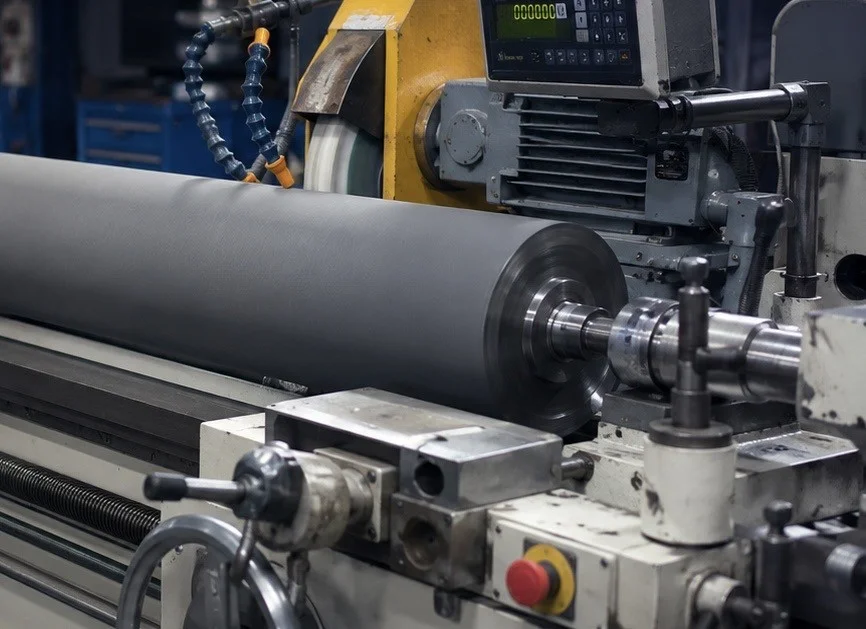
Possible, but not automatically. Chatter can come from the contact drum (out of balance, unevenly worn, hardened) but also from the abrasive belt, its joint, the tension, the platen, the bearings or the dust extraction. We isolate the cause first; if the drum is to blame, precision grinding (concentricity / TIR) or a new cover with dynamic balancing fixes the problem.

Why does hot glue (PUR / hot melt) eventually stick to my glue spreader roller? +

A roller for PUR glue normally uses a high-temperature non-stick silicone cover. If the glue sticks, it is usually because the silicone is worn, micro-cracked by the cleaning routine or under-specified for the line temperature. We adjust the silicone recipe to maximize heat resistance and release.

My urethane drive wheels mark the wood or slip. What can I do? +

A hardness or formulation problem. Too hard (or too much pressure): it marks. Glazed by resin or too hard: it slips. We cast replacement wheels in polyurethane with non-marking compounds and a hardness, finish and profile matched to the wood species, the contact pressure, the speed and the traction required. For very soft woods (white pine, cedar) or delicate moldings, we can go to a

dual hardness
(firm core + soft tread) or a
microcellular polyurethane
to follow the wood without crushing the grain.

The journals on my steel shaft are damaged. Do I have to scrap the roller? +

No. Before covering, we inspect every core. Worn journals can often be repaired (weld build-up, sleeve or remachining) to bring them back into tolerance, depending on the condition of the core.

What is a crowned profile and why would I need one? +

A crowned roller has a slightly larger diameter at the center than at the ends (a few thousandths of an inch). On wide nip rolls or glue spreaders, it compensates for the deflection of the shaft under pressure and keeps the application pressure uniform across the full width.

Can you reproduce the specific grooving of my equipment? +

Yes. Spiral grooving to clear dust and resin and stabilize the contact of a sanding drum, or precise cross grooving to meter a glue: our grinders reproduce the exact geometric profile of the process.

Do you make custom parts when the OEM part cannot be found? +

Yes, reverse engineering is one of our strengths. Send us a worn part (drive pad, CNC vacuum cup, cam follower…): we build the mold and cast the new parts in polyurethane or rubber, right here.

A part to refurbish or a performance issue?

Talk to a Soremag expert: we help you pin down the most solid option, quickly — material, hardness, finish and geometry validated with your actual parameters.

➔ Talk to a technical expert